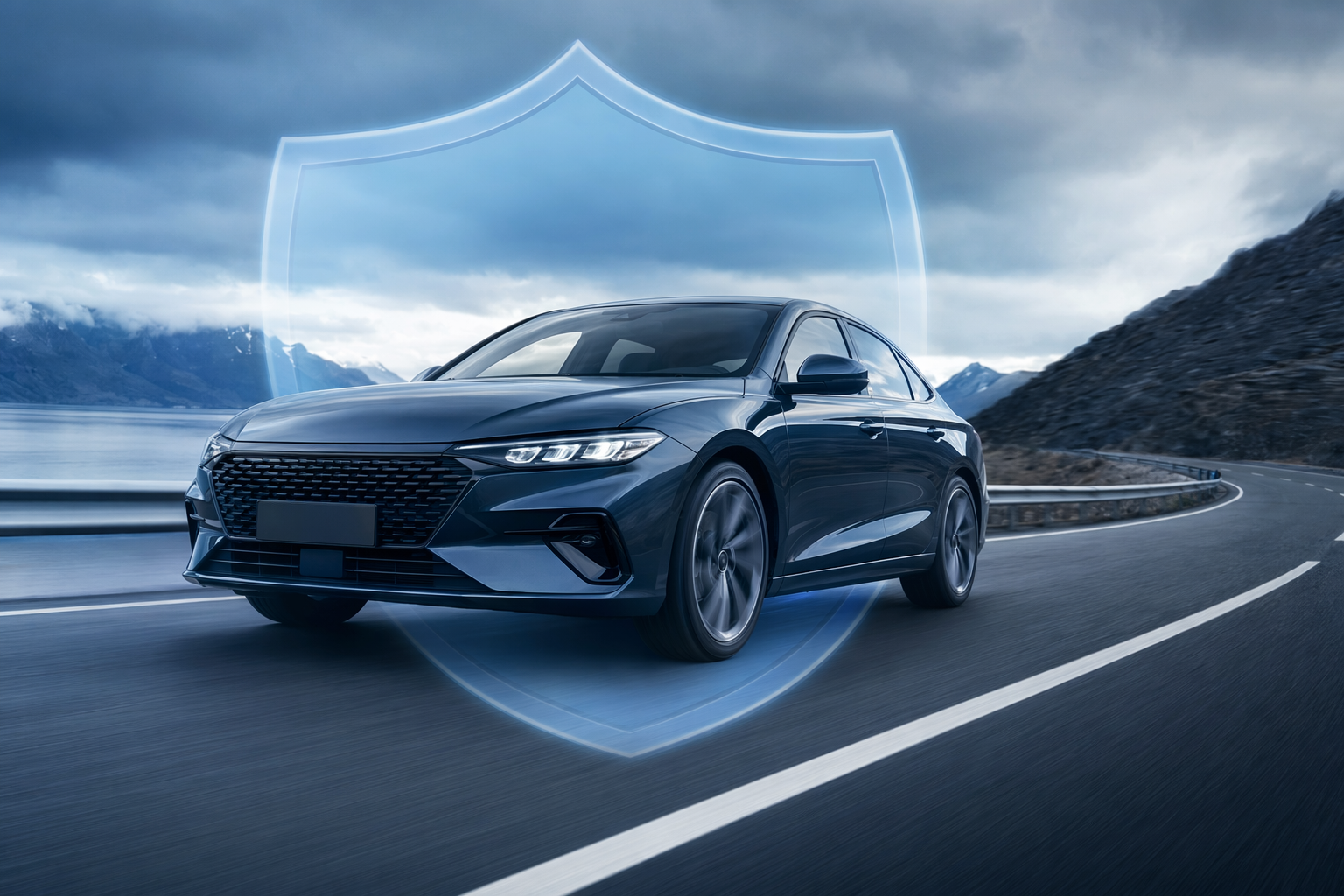
Car insurance is one of those expenses that most drivers pay for month after month without fully understanding what they are actually buying. You know you need it, your state requires at least some of it, and your lender almost certainly demands it if you are financing a vehicle. But when a claim arises, the difference between having the right coverage and being underinsured can mean thousands of dollars out of your own pocket.
This guide breaks down every major type of car insurance coverage, explains how deductibles really work, and provides actionable strategies to lower your premiums without sacrificing the protection you need.
Liability Coverage: The Foundation of Every Policy
Liability insurance is the one type of coverage that every state requires in some form. It pays for injuries and property damage you cause to other people when you are at fault in an accident. It does not cover your own vehicle or your own medical bills.
Liability coverage is expressed in a three-number format, such as 50/100/50. The first number is the maximum payout per injured person (in thousands), the second is the total payout per accident for all injuries, and the third is the property damage limit. Most financial advisors recommend carrying at least 100/300/100, especially if you have assets worth protecting. State minimums are often far too low to cover a serious accident.
Collision Coverage
Collision coverage pays to repair or replace your own vehicle after an accident, regardless of who is at fault. If you rear-end another car, your liability covers the other driver's damage, while your collision coverage handles your repairs. If your car is totaled, the insurer pays the actual cash value minus your deductible.
Collision coverage is optional unless you have a loan or lease, in which case your lender will require it. For older vehicles where the annual premium approaches the car's value, dropping collision may make financial sense, but only if you can afford to replace the car out of pocket.
Comprehensive Coverage
Comprehensive coverage protects your vehicle from damage caused by events other than collisions. This includes theft, vandalism, hail, floods, falling objects, fire, and animal strikes. If a tree branch falls on your car during a storm or someone breaks a window to steal your belongings, comprehensive is the coverage that responds.
Like collision, comprehensive is optional unless your lender requires it. Premiums tend to be lower than collision because the risks it covers occur less frequently, but the peace of mind can be invaluable if you live in an area prone to severe weather or vehicle theft.
Uninsured and Underinsured Motorist Coverage
Despite legal requirements, a significant percentage of drivers on the road carry no insurance or carry only the bare minimum. If one of those drivers hits you, uninsured motorist (UM) coverage pays your medical bills and, in some states, your vehicle repairs. Underinsured motorist (UIM) coverage kicks in when the at-fault driver's policy limits are not enough to cover your losses.
This coverage is often inexpensive relative to the protection it provides, and many insurance professionals consider it one of the most important add-ons you can carry.
How Deductibles Work
Your deductible is the amount you pay out of pocket before your insurance coverage begins. If you have a $500 deductible and your collision repair costs $3,000, you pay $500 and the insurer pays $2,500. Choosing a higher deductible lowers your premium, while a lower deductible means higher monthly costs but less out-of-pocket expense when you file a claim.
The right deductible depends on your financial cushion. If paying a $1,000 deductible unexpectedly would strain your budget, a $500 deductible is worth the extra premium. If you have a healthy emergency fund and rarely file claims, a higher deductible can save you hundreds per year.
Proven Tips to Lower Your Premiums
Car insurance premiums can vary dramatically between companies for the exact same coverage. These strategies consistently help drivers reduce costs:
- Bundle your policies: Combining auto and homeowners or renters insurance with the same carrier often unlocks a multi-policy discount of 10 to 25 percent.
- Maintain a clean driving record: Accidents and tickets stay on your record for three to five years and can significantly increase your rates.
- Ask about discounts: Many insurers offer reductions for low mileage, good students, defensive driving courses, anti-theft devices, and paying in full rather than monthly.
- Shop around at every renewal: Loyalty does not always pay in insurance. Compare quotes from at least three carriers each time your policy renews.
- Review your coverage annually: As your car ages and depreciates, you may be paying for more coverage than the vehicle is worth.
- Improve your credit score: In most states, insurers use credit-based insurance scores as a rating factor. A higher score often translates to lower premiums.
Putting It All Together
Building the right car insurance policy is about balancing protection with affordability. Start with liability limits that genuinely protect your assets, add collision and comprehensive if your vehicle warrants it, and seriously consider uninsured motorist coverage. Then optimize your deductible based on your emergency savings, and shop aggressively to make sure you are not overpaying.
Taking thirty minutes to understand your policy today can save you enormous stress and financial hardship when you need your coverage most.



Leave a Comment